San Francisco Court Blocks Proposed Blackjack Restrictions at California Cardrooms
Sage Vogel · Jul 17, 2026

San Francisco Court Blocks Proposed Blackjack Restrictions at California Cardrooms
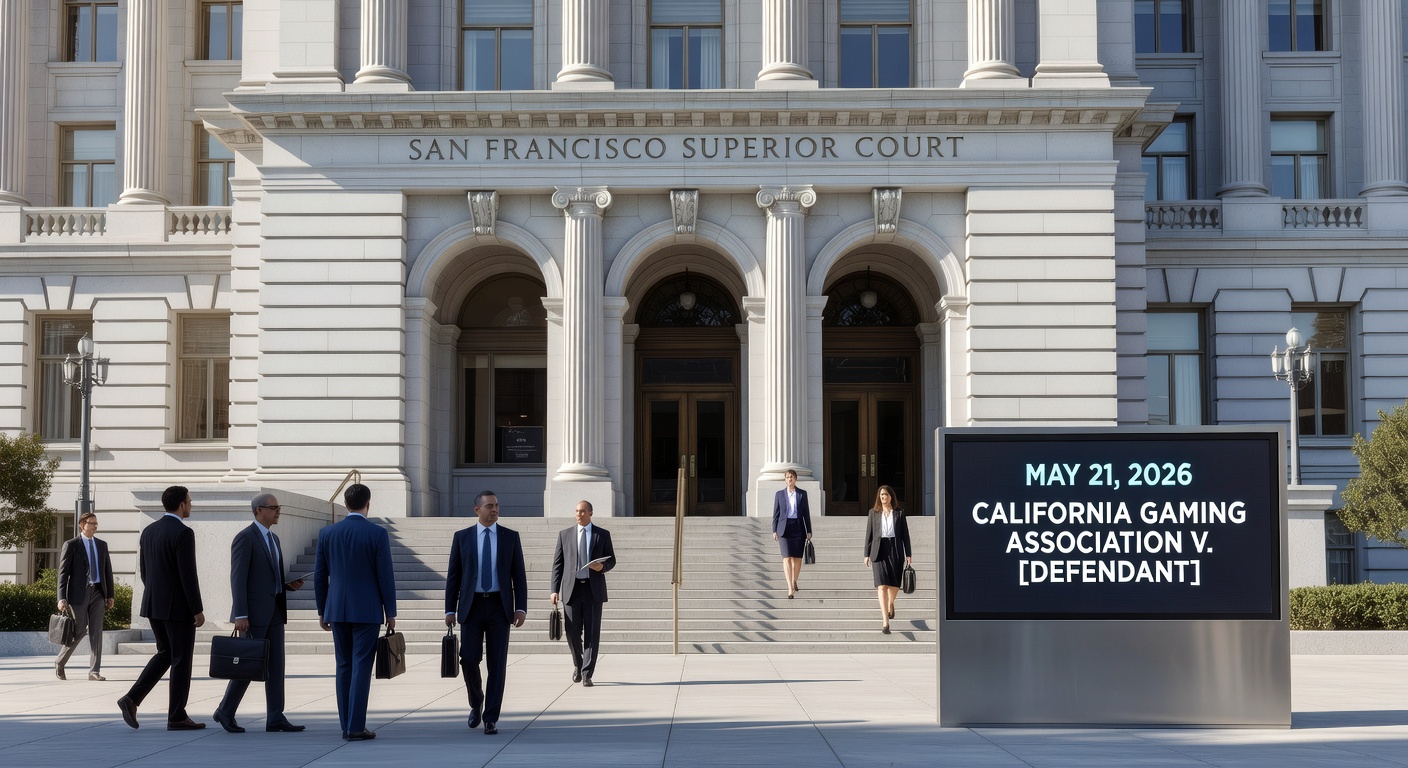
A San Francisco Superior Court judge issued a ruling near the end of June 2026 that directly challenged regulatory actions taken by state officials, and this decision centered on efforts to limit blackjack and player-dealer formats in licensed cardrooms across California.
Details of the Judicial Decision
Judge Richard Darwin determined that California Attorney General Rob Bonta along with the Bureau of Gambling Control had gone beyond their legal authority when they created new rules aimed at banning blackjack and imposing tighter controls on player-dealer games, and the court struck down those measures before they could take full effect earlier in the year. Cardroom operators had been running the games through third-party dealers and rotating player-dealer positions, which allowed the activity to continue under existing frameworks, and the ruling preserved that operational model for the time being.
The regulations were scheduled to reshape how cardrooms handle table games, yet the court found insufficient statutory backing for teh broad prohibitions that state agencies attempted to enforce, and this outcome means facilities can maintain their current blackjack offerings without immediate interruption from those particular rules.
Context Behind the Regulatory Push
State regulators had moved forward with the changes as part of broader oversight of gambling activities in cardrooms, and the proposed rules would have eliminated blackjack while restricting how player-dealer positions rotate among participants, and observers note that these adjustments were intended to align operations more strictly with state law definitions of permitted games. Cardrooms responded by seeking judicial review, and the case highlighted ongoing tensions between local gaming establishments and statewide regulatory bodies over the scope of authority granted under existing statutes.
The dispute traces back to interpretations of what constitutes authorized house-banked games versus player-banked formats, and the court examined whether the Bureau of Gambling Control possessed the power to redefine those boundaries through administrative rulemaking alone, and the June 2026 decision clarified that such expansive changes require clearer legislative direction.
Reactions from Operators and Local Governments
Cardroom operators and city officials expressed support for the outcome because it safeguards employment positions tied directly to table game operations and maintains streams of tax revenue that flow to municipal budgets, and multiple localities had previously raised concerns about potential shortfalls if the restrictions took hold. The ruling allows facilities to proceed with established practices while litigation continues, and representatives from affected regions described the decision as a temporary reprieve that prevents abrupt disruptions to local economies dependent on gaming activity.
Although the state agencies involved have signaled plans to appeal the ruling, the immediate effect keeps blackjack available in participating cardrooms and sustains the rotating player-dealer arrangements that have supported ongoing play, and this status holds as proceedings move forward in higher courts.
Operational and Economic Implications
Cardrooms in California have relied on blackjack and similar formats to attract patrons, and the continuation of these games supports ancillary spending on food, beverages, and other amenities within the venues, and data from industry reports indicate that table games contribute measurably to overall facility revenue in regions where they operate legally. Local governments receive portions of that revenue through licensing fees and taxes, which in turn fund public services, and the court decision maintains that flow while the appeal process unfolds.
Facilities adjusted staffing and marketing plans in anticipation of the earlier regulatory changes, yet the June ruling reversed those preparations and allowed operators to retain existing game lineups without the need for immediate reconfiguration, and this stability extends through the summer months of 2026 as the legal challenge advances.
Next Steps in the Legal Process
An appeal remains expected from the Attorney General's office and the Bureau of Gambling Control, and that process will likely examine the boundaries of administrative authority more closely in appellate review, and parties on both sides have indicated they will continue presenting arguments regarding the proper interpretation of gambling statutes. The case draws attention to how regulatory agencies implement rules that affect private operators and the communities that depend on them, and further court proceedings will determine whether the struck-down provisions can be reinstated or modified.
Cardroom representatives have stated they will continue monitoring developments while maintaining normal operations under the current court order, and local officials have noted that preserving access to these games helps sustain workforce levels that were at risk under the proposed restrictions.
Conclusion
The San Francisco Superior Court ruling delivered in late June 2026 halted the enforcement of new blackjack restrictions proposed by state regulators, and it preserved existing player-dealer arrangements in California cardrooms pending further judicial review. Operators and municipalities welcomed the outcome for its protection of jobs and revenue sources, while an appeal from the Attorney General and Bureau of Gambling Control is anticipated to address the scope of regulatory power in subsequent proceedings. The decision keeps cardroom operations stable through the summer of 2026 as the dispute continues through higher courts.