California's Regulatory Hammer Falls: Cardrooms Set to Lose Blackjack-Style Games in 2026 Overhaul
Sage Vogel · Apr 24, 2026

California's Regulatory Hammer Falls: Cardrooms Set to Lose Blackjack-Style Games in 2026 Overhaul
The Approval That Shakes Up the Cardroom Landscape
The California Office of Administrative Law has approved two key sets of regulations proposed by the California Department of Justice, targeting cardrooms across the state and specifically banning house-banked blackjack-style games effective April 1, 2026; this move comes after extensive stakeholder meetings, public hearings, and a thorough review of public comments, marking a pivotal shift in how these establishments operate. Cardrooms, which have long navigated legal gray areas to offer games mimicking traditional casino table games like blackjack through player dealer rotation and third-party services, now face the elimination of roughly 50% of their revenues, as these methods get shut down cold. Observers note that this reinforces the exclusive rights tribal casinos hold for house-banked games, drawing a sharper line between the two gaming worlds that have coexisted uneasily for years.
What's interesting here is the precision of the timeline; cardrooms must submit detailed compliance plans by May 31, 2026, outlining how they'll adapt or risk closures and major restructurings, while the ban kicks in just a month earlier on April 1, leaving operators scrambling to pivot their business models. The Department of Justice pushed these regs forward to clarify longstanding ambiguities in state law, ensuring cardrooms stick to player-banked games like poker where players compete against each other rather than the house. And turns out, this isn't some overnight decision; it stems from years of legal battles and legislative tweaks aimed at protecting tribal gaming compacts.
Unpacking the Regulations: What Gets Banned and Why
At the core of these approved rules lie prohibitions on house-banked blackjack-style games, those clever setups where cardrooms use rotating player dealers or outsource to third-party providers to collect rake or act as the house without technically banking the game themselves; data from industry analyses indicates this segment alone accounts for about half of cardroom revenues, making the hit substantial. The California Office of Administrative Law's stamp of approval, detailed in the Office of Administrative Law Approves DOJ Card Room Regulations announcement, solidifies the DOJ's position after incorporating feedback from dozens of stakeholders including cardroom operators, tribal representatives, and local governments.
Public hearings revealed heated debates, with cardroom advocates arguing these games fall under player-banked models since no house funds the pot, but regulators countered that the mechanics effectively replicate casino blackjack, infringing on tribal exclusivity granted by Proposition 1A back in 2000. Experts who've tracked this space point out that third-party services, often brought in to handle betting and payouts, blurred those lines even further; now, those get axed alongside player rotation systems, forcing cardrooms to refocus on pure poker variants where the house takes only a rake from voluntary pots. It's noteworthy that the regs don't touch live poker, which remains the backbone for many rooms, but the revenue math shifts dramatically without those high-volume table games.
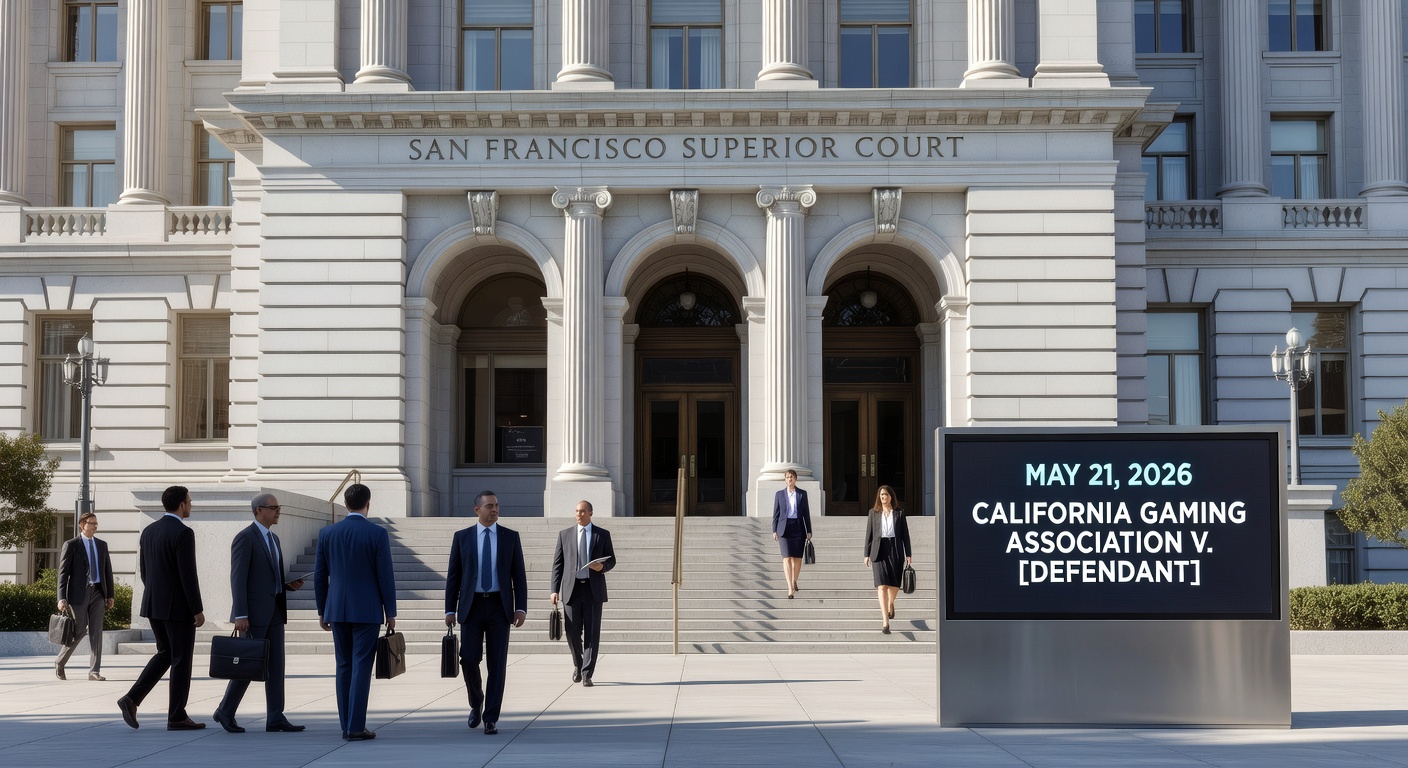
Take one major cardroom operator in the Bay Area, for instance, where figures show blackjack-style play drawing crowds night after night; observers have seen similar patterns statewide, from Los Angeles County hubs to Northern California spots, all reliant on these games to supplement poker traffic. And here's where it gets interesting: the compliance deadline of May 31, 2026, gives a narrow window post-ban for plans that could involve ripping out tables, retraining staff, or even converting spaces to non-gaming uses, although many bet on legal challenges emerging first.
The Road to Approval: Meetings, Hearings, and Hard Choices
Stakeholder meetings kicked off this process months ago, pulling in cardroom associations like the California Cardroom Association, tribal gaming commissions, and even city officials worried about lost tax dollars; public hearings amplified those voices, with transcripts revealing over 100 comments reviewed by the Office of Administrative Law before greenlighting the DOJ proposals. Researchers studying gaming policy note that this iterative approach, required under California's Administrative Procedure Act, ensured the regs withstood scrutiny, incorporating tweaks like clearer definitions of "house-banked" activities while holding firm on the blackjack ban.
But here's the thing: tribal casinos, operating under federal compacts, lobbied hard for this, arguing that cardrooms' innovations chipped away at their market share; statistics from state gaming reports bear this out, showing tribal venues dominating true table games while cardrooms filled a niche with proxies. The DOJ, tasked with enforcement, saw these regs as a way to end the cat-and-mouse game where court rulings ping-ponged interpretations of "banking." Now, with approval secured, enforcement ramps up, and cardrooms eye that April 1, 2026, date like a ticking clock.
People in the industry often discover that such regs spark innovation elsewhere; some rooms already experiment with skill-based games or expanded poker tournaments, but the 50% revenue drop looms large, especially for smaller operators without deep pockets. Local economies feel it too, since cardrooms pump millions into communities via taxes and jobs; one study from a Bay Area think tank estimated 5,000 positions at risk statewide if adaptations falter.
Compliance Mandates and the Path Forward for Cardrooms
By May 31, 2026, every licensed cardroom submits a compliance plan detailing how they'll excise banned games, retrofit facilities, and train employees to avoid violations; failure means potential license revocation, shutdowns, or forced sales to compliant buyers, although extensions might surface for good-faith efforts. The regs spell out monitoring protocols, with DOJ auditors empowered to inspect operations pre- and post-April 1, ensuring no sneaky workarounds emerge like rebranded "poker-blackjack hybrids."
Turns out, this builds on prior DOJ emergency regs from 2022, which temporarily halted expansions but now cement permanent changes; experts observe that cardrooms in places like Commerce Casino or Gardens Casino, revenue giants, lead adaptation talks, sharing strategies at association meetings. And while the ban targets blackjack specifically, it sets precedent for other table game mimics, tightening the noose on anything smelling like house advantage.
Those who've followed California's gaming wars know the stakes; tribal casinos, with over 60 facilities pulling in billions annually, gain breathing room to expand blackjack pits without suburban competition, whereas cardrooms pivot to loyalty programs, esports tie-ins, or even non-gaming entertainment to stem bleeding. It's not rocket science, but executing that shift by 2026 demands agility, especially with inflation squeezing margins already.
Broader Ripples: Tribal Rights, Local Impacts, and Industry Shifts
Reinforcing tribal exclusivity stands as the regs' cornerstone, rooted in voter-approved initiatives that carved out house-banked games for Native American operations; data indicates cardrooms generated $1.5 billion in gross revenues last year, half from contested tables, funneling taxes to cities that now brace for shortfalls. Observers point to Orange County rooms, where blackjack-style play fueled municipal budgets, as early canaries in the coal mine.
So what happens next? Legal eagles predict injunction bids mirroring past efforts, but with full OAL approval, those face uphill climbs; meanwhile, cardroom execs huddle on lobbying for legislative carve-outs, although tribal opposition runs deep. The reality is, April 1, 2026, arrives soon enough, and compliance plans due in late May force hands, potentially consolidating the industry into fewer, poker-focused powerhouses.
One case worth watching involves a Central Valley cardroom that voluntarily axed third-party dealers last year, boosting poker traffic by 20%; similar tales emerge from Sacramento-area spots, hinting at survival blueprints amid the storm.
Conclusion
The California Office of Administrative Law's approval of DOJ cardroom regs caps a deliberate process of meetings, hearings, and comment reviews, banning house-banked blackjack-style games from April 1, 2026, and demanding compliance plans by May 31; this slashes roughly 50% of revenues by curbing player dealer rotations and third-party mimics, bolstering tribal casinos' lock on such play while pushing cardrooms toward pure player-banked poker. As operators chart courses through audits, potential closures, and restructurings, the gaming landscape in the Golden State reshapes irrevocably, with economic ripples touching jobs, taxes, and competition for years ahead.