California Cardrooms Adjust Operations Under New State Rules Effective April 2026
Logan Lorenz · May 18, 2026

California Cardrooms Adjust Operations Under New State Rules Effective April 2026
The California Department of Justice rolled out fresh regulations on April 1, 2026 that direct cardrooms to phase out traditional blackjack and modify several other table games, and operators must submit detailed compliance plans by the end of May. These measures also reshape how third-party player-dealer rotations function across participating venues, and the changes arrive with backing from organizations such as the California Nations Indian Gaming Association.
Details of the Regulatory Updates
Cardrooms throughout the state now operate under stricter guidelines that prohibit classic blackjack formats while requiring adjustments to games that share similar mechanics. The rules target player-dealer rotations involving third-party entities, and facilities must redesign these processes to align with new standards. Observers note that such shifts aim to clarify distinctions between cardroom offerings and those found at tribal casinos, which creates a more defined operational framework for all parties involved.
Local establishments have begun reviewing their current game libraries and staffing models to meet the upcoming requirements. Data from industry tracking shows blackjack often represents a notable portion of table game revenue at many cardrooms, which means operators face immediate planning needs to offset potential shortfalls once the restrictions take full effect.
Business Effects at Affected Venues
Club One Casino owner Kyle Kirkland stated that blackjack contributes roughly 20 percent of overall business at the property, and he highlighted possible reductions in revenue alongside workforce reductions if the rules remain unchanged. Similar concerns surface at other cardrooms where table games form a core attraction for patrons, and management teams now evaluate alternative offerings that comply with the updated limits.
Revenue figures collected by state oversight bodies indicate cardrooms generate substantial local economic activity through gaming taxes and employment. Adjustments to popular games like blackjack therefore carry ripple effects that extend to suppliers, service providers, and municipal budgets tied to those funds.
Legal Steps Taken by Cardroom Operators
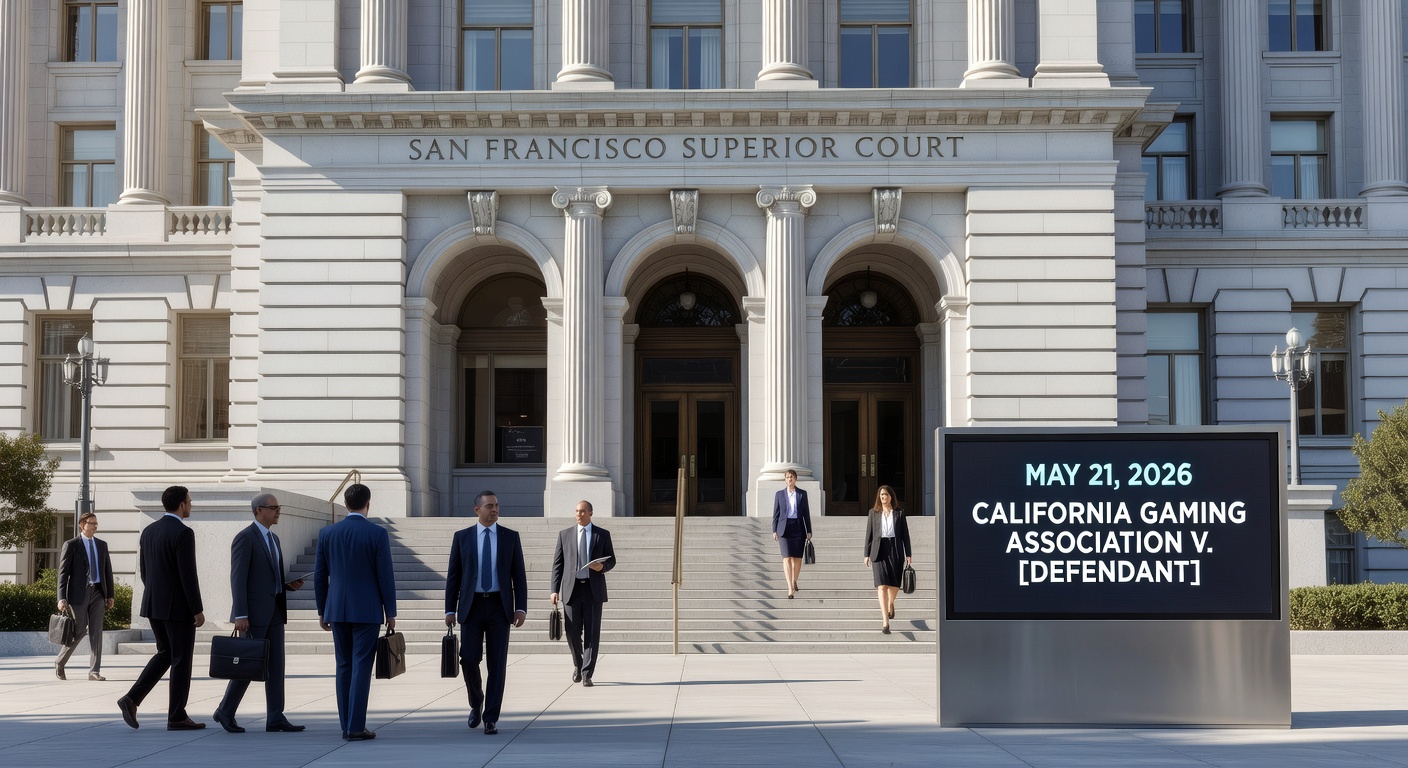
Groups representing cardrooms have filed paperwork seeking a court injunction that would temporarily halt enforcement of the new rules. Legal teams argue the regulations exceed existing authority and could inflict immediate harm on ongoing operations, and court proceedings are expected to examine these claims in the weeks ahead. The push for injunctive relief centers on preserving current game rotations and revenue streams while further review takes place.
Attorneys involved in the filings emphasize the need for clear timelines and definitions within the rules, and they point to potential inconsistencies between the April implementation date and the May 31 compliance deadline. Proceedings could clarify how facilities should handle transitional periods without disrupting service to customers.
Positions from Supporting Organizations
The California Nations Indian Gaming Association has expressed support for the Department of Justice measures, and association representatives describe the rules as necessary steps toward regulatory consistency across different gaming sectors. Their stance underscores long-standing distinctions between tribal gaming compacts and cardroom licensing structures, which helps explain why certain game formats now face tighter controls.
Meetings between state officials and industry stakeholders continue as both sides prepare documentation and responses ahead of the May deadline. These discussions focus on practical implementation steps rather than broad policy debates, and participants work through specific language around player-dealer protocols and table game modifications.
Compliance Timeline and Next Steps
With compliance plans due by May 31, 2026, cardroom operators accelerate internal audits and training programs designed to bring all table games into alignment. State inspectors will review submitted materials to confirm adherence, and any facilities falling short risk enforcement actions that could include fines or game suspensions. The short window between the April rollout and the May cutoff requires efficient coordination among legal, operations, and compliance departments at each venue.
Industry analysts track how quickly operators adapt their offerings, and early indicators suggest some locations explore new game variants that avoid prohibited elements while maintaining player interest. Data collected during this transition period will likely inform future regulatory refinements.
Conclusion
The April 2026 rules from the California Department of Justice set a clear path for cardrooms to eliminate traditional blackjack and revise related table games and third-party dealer arrangements. Venue owners such as Kyle Kirkland at Club One Casino have outlined expected revenue and employment impacts, while legal efforts seek an injunction to pause the changes. Support from groups like the California Nations Indian Gaming Association adds another dimension to the ongoing process, and the May 31 compliance deadline keeps attention focused on timely submissions and operational adjustments.